Blog ·
How to Choose Window Treatment Colors That Look Great in Every Light
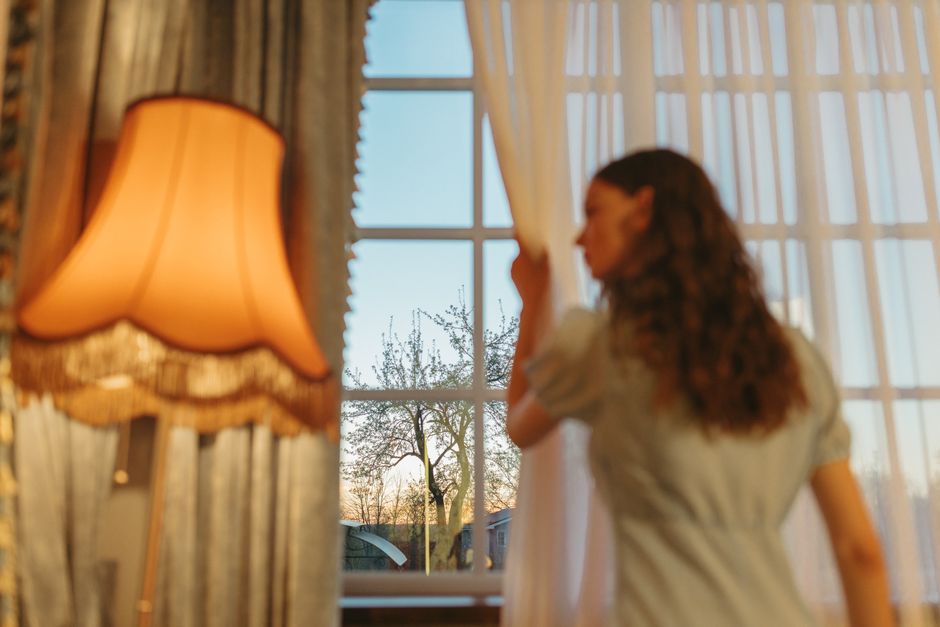
When you're selecting custom blinds, plantation shutters, or designer drapes for your home, color is one of the most important decisions you'll make. But have you noticed how a color sample looks completely different once it's installed in your actual space? This happens because light dramatically transforms how we perceive color, and understanding this phenomenon is essential for choosing window treatments you'll love.
Why Colors Change in Different Light
Natural light constantly shifts throughout the day. Morning sunlight carries warm, golden tones, while midday light is brighter and more neutral. Evening light becomes warm again, and on overcast days, light appears cooler and softer. Your room's artificial lighting also plays a major role—warm-toned bulbs create a completely different effect than cool LED lighting.
Because window treatments frame your windows and interact directly with incoming light, they're especially sensitive to these changes. A roller shade that appears soft gray in the showroom might look nearly white in bright afternoon sun or almost blue-gray under cool evening light. Plantation shutters can shift in tone as light passes through their slats. Custom drapes appear richer and deeper during the day but can look almost black at night under artificial light.
Testing Colors in Your Actual Space
The best way to choose window treatment colors is to test them where they'll live. Ask about sample swatches or large color samples you can take home. Position them near your windows and observe them at different times of day and under both natural and artificial light. Pay special attention to how your room's existing colors—walls, flooring, furniture—interact with the sample.
Consider the Room's Purpose
Think about when you use the space most. A bedroom where you spend evenings under soft lighting needs a different color approach than a living room where you gather in daylight. If natural light is limited, avoid colors that will look muddy or dull in low-light conditions. If your space gets intense afternoon sun, test how colors hold up to bright light without becoming washed out.
Light-Reflective Considerations
Your window treatment's finish also matters. Glossy surfaces on shutters or shades will reflect light differently than matte finishes. This affects how vibrant colors appear and how the treatment interacts with light throughout your room.
Working with professionals who understand how color behaves in light ensures your custom blinds, shutters, or drapes will look beautiful at every hour of the day. Take time with color selection, and you'll create a space that feels intentional and elevated.