Blog ·
Mastering Light Control and Energy Efficiency
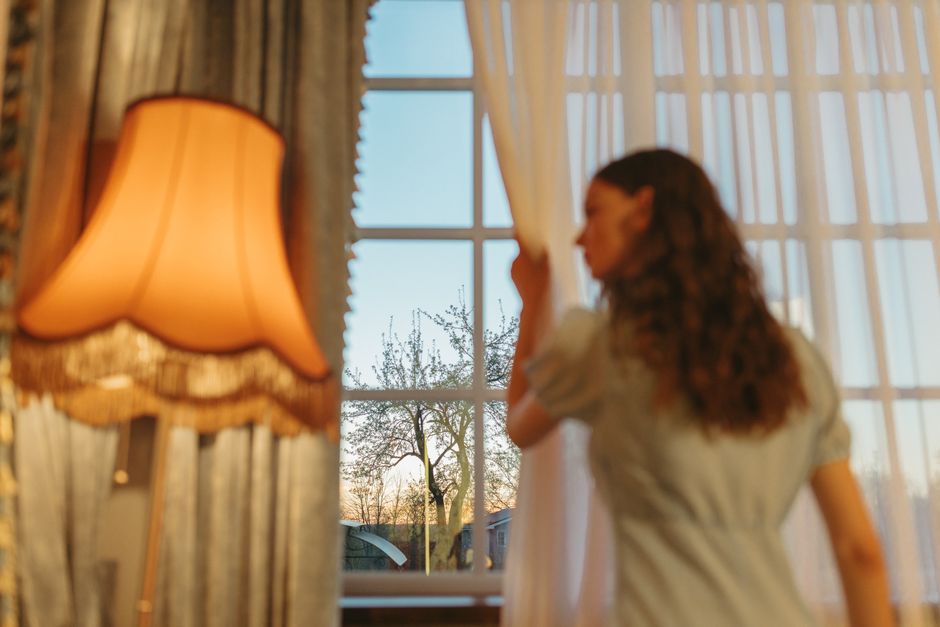
Strategic use of window treatments dramatically improves your home's energy efficiency and comfort levels. Light control goes far beyond just choosing whether to open or close your curtains—it's about understanding how to use window coverings strategically throughout different seasons.
During summer months, managing sunlight becomes critical for temperature control. Direct afternoon sun through western-facing windows heats interior spaces significantly, forcing air conditioning systems to work harder and consume more energy. Closed shades or shutters during peak afternoon hours reduce this heat gain substantially. Reflective or light-colored treatments work especially well, bouncing heat away before it enters your living space. This simple adjustment can reduce cooling costs noticeably without sacrificing natural light in mornings and evenings.
Winter presents opposite challenges. Morning and afternoon sun provides valuable passive heating, reducing furnace runtime. Opening light-colored treatments during sunny days maximizes solar gain, while closing them at night prevents heat loss through windows. Layered treatments—combining shades with drapes—provide flexibility to capture heat when available and minimize loss during cold nights.
Plantation shutters excel at seasonal light management because louver angles adjust easily. Angled louvers redirect winter sun deeper into rooms while angling away summer sun's harshest rays. This seasonal flexibility maintains comfort without swapping out entire window treatments.
Interior room temperature consistency improves with proper window covering choices. Rooms with lots of window exposure often feel significantly warmer or cooler than the rest of your home. Consistent use of quality shades or shutters stabilizes temperatures, reducing the effort your HVAC system expends maintaining comfortable conditions.
Thermal efficiency works differently with various materials. Cellular shades with honeycomb construction trap air pockets, providing insulation. Wood plantation shutters create dead air space within louvered sections. Heavy custom drapes layer insulation at window surfaces. Understanding these properties helps select treatments addressing your specific climate needs.
East and west-facing windows deserve special attention. Morning sun from east windows feels welcome in bedrooms, while afternoon west-facing sun often proves problematic everywhere. Treatments allowing morning light while blocking afternoon glare solve genuine comfort problems.
Consistent application of these principles throughout your home multiplies energy savings. Every degree of temperature consistency your window treatments maintain reduces energy consumption and utility costs.
The most effective approach combines several strategies: correct treatment selection for each room's exposure, consistent seasonal management, and proper installation ensuring no air gaps around frames. Professional consultants help identify which combinations work best for your climate, window orientation, and usage patterns. Quality window treatments represent long-term energy investments that pay returns through improved efficiency and comfort.